Emerald Ash Borer in St. Louis: How to Protect Your Trees With Expert Tree Care in 2026
The emerald ash borer (EAB) is one of the most serious pest threats facing ash trees in the St. Louis, MO, area today. Proper tree care in St. Louis, MO, can mean the difference between saving a beloved shade tree and losing it entirely. If you suspect your trees are at risk, call County Tree Service at 314-920-7263 for a professional assessment. This post covers what EAB is, how to spot it, what treatment options exist, and when to call a professional.
What Is the Emerald Ash Borer and Why Does It Matter in St. Louis?
The emerald ash borer is a destructive invasive beetle from Asia, first discovered in North America near Detroit in 2002. It has since spread across much of the country, and every Missouri county in the St. Louis region has reported cases.
The scale of the local problem is significant. The ash tree is the most common street and park tree in St. Louis City, and the City's Forestry Division has mapped more than 15,000 public ash trees. That number does not account for the many ash trees on private properties throughout neighborhoods like Kirkwood, Webster Groves, Fenton, and Chesterfield.
EAB is so deadly because of how its larvae feed. Adult beetles cause little harm, but larvae feed on a tree's inner bark, disrupting its ability to transport water and nutrients. The Missouri Department of Conservation reports that EAB kills more than 99% of the ash trees it attacks. Regular inspections and routine tree care are among the most effective ways to catch an infestation before it reaches that stage.
How to Identify Signs of EAB on Your Ash Trees
Early detection is critical. Several visible warning signs can alert you to a possible infestation before it becomes fatal.
Look for these key indicators:
- D-shaped exit holes in the bark, roughly 1/8 inch in diameter, left when adult beetles emerge.
- S-shaped feeding galleries visible under peeling bark, caused by larvae tunneling through inner wood.
- Bark blonding, where woodpeckers peel away layers while hunting insects, exposing lighter bark underneath.
- Crown dieback, where branches at the top begin to die, often starting with thinning foliage.
- Sprouts shooting from the base or lower trunk, a common stress response to EAB damage.
Adult EAB beetles are most active from late May to mid-June, making late spring a prime time to inspect your trees. If you notice several of these signs together, schedule a professional tree care evaluation promptly.
Treatment Options for EAB-Infested Ash Trees
Treatment is possible, but timing matters. Ash trees caught early have the best chance of responding to intervention. A proactive plan developed with a licensed arborist is the most reliable path forward.
The most widely used treatments are systemic insecticides applied by a licensed professional. Emamectin Benzoate (TreeAge R10) is a restricted-use pesticide injected into the trunk that controls 90–100% of EAB larvae and adult beetles, typically applied every other year.
Imidacloprid is the second most effective option, controlling 50–70% of larvae and adult beetles. It can be applied by injection, bark banding, or soil drench, and requires annual application for maximum effectiveness.
In St. Louis, work on city-owned ash trees may require a permit issued only to ISA Certified Arborist contractors using acceptable methods and currently licensed to operate in the city. For trees on private property, options are more flexible, but working with a qualified arborist is still strongly recommended.
When to Call an Arborist vs. When to Remove the Tree
Calling a certified arborist should be your first move if you suspect EAB. A professional can confirm the infestation, assess overall tree health, and recommend a treatment plan. Treatment is generally preferred when the tree is structurally sound and retains most of its canopy.
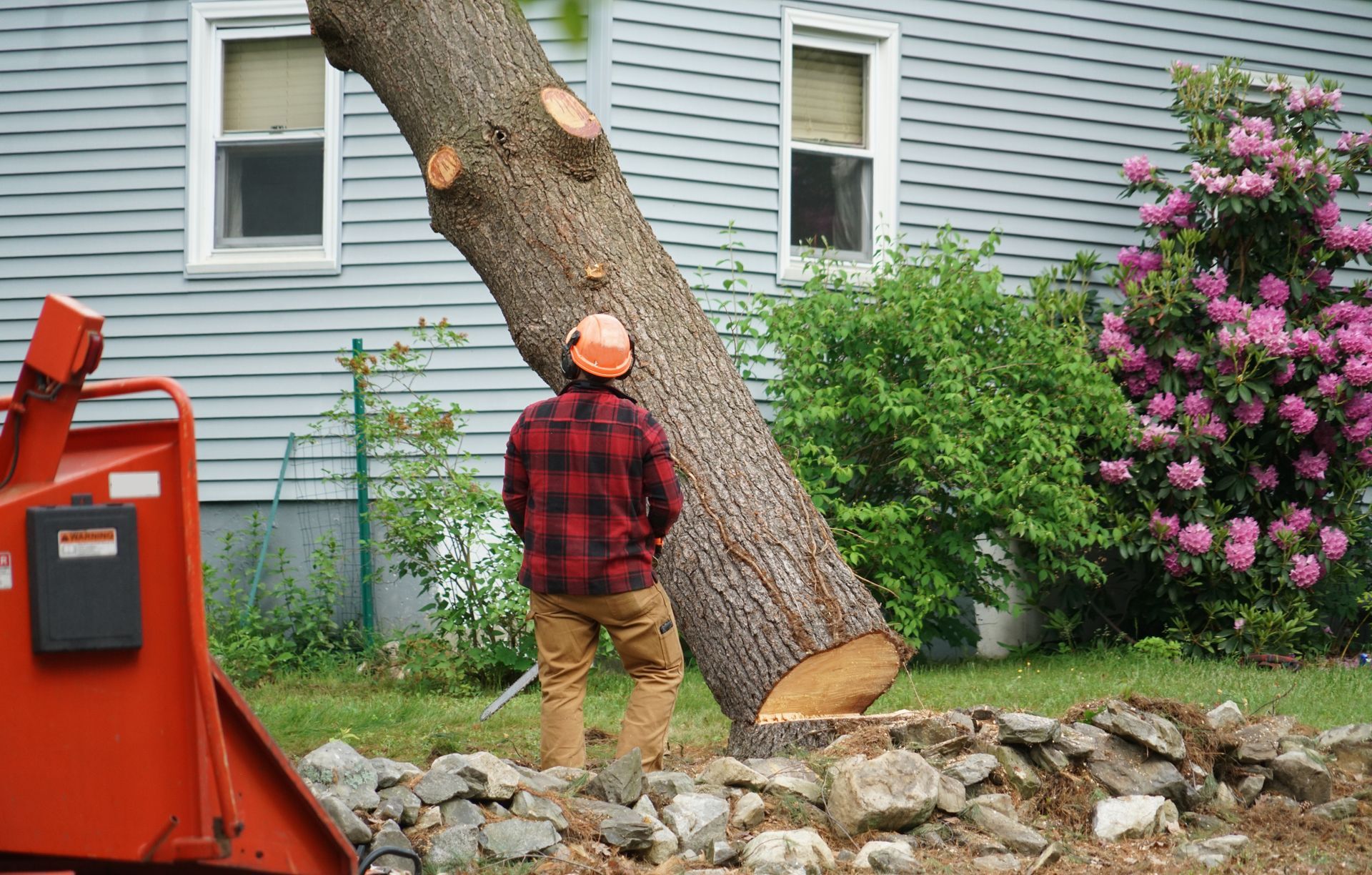
Removal becomes necessary when a tree has lost more than roughly half its canopy or is structurally compromised. Ash trees killed by EAB become very brittle and pose serious hazards. Proper disposal matters too: wood should be ground to one-inch chips or smaller to prevent beetles from hatching in dead wood.
An arborist may also recommend a long-range tree care plan for your property, including planting other species to replace the shade and screening that ash trees currently provide. This is especially relevant for homeowners in areas like Ballwin or Valley Park, where mature canopies contribute significantly to summer shade and property values.
Frequently Asked Questions About Emerald Ash Borer in St. Louis
Can an Ash Tree Recover From EAB If Treated?
Yes, if the infestation is caught early and the tree is otherwise healthy. Trees with less than 50% canopy dieback respond much better to intervention. The sooner a professional assesses the tree, the more options remain available.
How Did EAB Spread to the St. Louis Area?
EAB likely arrived in the United States on solid wood packing material from Asia and has spread primarily by hitchhiking on firewood transported between homes and recreation areas. Missouri quarantine regulations exist to limit the movement of ash wood products for this reason.
How Often Do Ash Trees Need to Be Treated for EAB?
It depends on the product used. Some trunk injection treatments are needed every two years, while soil-applied products often require annual application. A licensed arborist can recommend the right schedule based on your tree's size, health, and EAB exposure.
Protect Your St. Louis Ash Trees With Professional Help Today
EAB is an active and expanding threat across St. Louis, MO, and the time to act is before a tree reaches the point of no return.
County Tree Service has been serving the greater St. Louis area for over 24 years. Find our business details and location information on Google Maps. To schedule a tree health assessment,
contact the team online or call
314-920-7263 today. You can also learn more about comprehensive
tree care services designed to keep your trees healthy through every season. Request a free estimate and take the first step toward protecting your property.